
AI music is music you co-create with machine learning: you bring lyrics, mood, structure, and taste; the model renders vocals, instruments, and arrangement in minutes. It's not a novelty button — in 2026 it's how millions of creators demo ideas, ship singles, score videos, and build catalogs without renting a studio for every thought.
How generation actually works (without the jargon wall) Models learn patterns from huge libraries of music and text. When you submit lyrics plus style tags — "melancholic R&B, 82 BPM, female vocal, sparse piano" — the system predicts audio that matches that brief. On AAiMusic, Aria usually prepares that brief for you from chat; you review and hit Generate track.
What you need to bring Great AI output still starts human — but the bar is lower than you think. On AAiMusic you typically bring: - An idea — a vibe, story, or moment ("birthday song for my mom," "World Cup hype track"). - A conversation with Aria — she turns that into structured lyrics, style tags, and a title. - Iteration appetite — first pass is draft, not destiny.
You *can* paste finished lyrics or use Write it yourself if you prefer — but beginners usually just talk.
When you need a song fast — and in your voice
You have a birthday montage due tomorrow. Your Reels series needs a fresh hook every week. You found the perfect vibe for a client reel but stock libraries all sound the same. AI music isn't about replacing artistry — it's about removing the gap between "I need something here" and "here's a track that fits."
Speed for demos. Freedom to try genres you'd never hire musicians for on a whim. A path from humming a melody to a tracked hook via Voice → Song. Language swap and multilingual lyrics for audiences traditional tools ignore. Stem splits for content workflows.
AI music vs "stock beats" Stock libraries give you anonymous loops everyone recognizes. AI gives you original material shaped by your prompt — when you direct it well, it carries your fingerprint. Listeners can't google your exact chord progression because it didn't exist until you generated it. That matters for YouTube, ads, and artists building identity.
Where AAiMusic fits AAiMusic is built around Aria + Studio + Library: talk to Aria, generate with one click, finish with pro tools (extend, reimagine, stems, duet, personas), keep everything in one catalog with cover art. Free tier lets you taste quality; paid tiers unlock volume, commercial use, and Studio generates.
Responsible use in one paragraph Use AI to expand what you can make, not to impersonate living artists or evade licensing you know you need. Read platform terms for commercial release. Be transparent where your audience cares. The tech is new; your integrity isn't.
Try this If you've never generated, open Create with Aria, say "I want a fun birthday song for my mom — upbeat, singalong, 105 BPM pop," review what she writes, hit Generate track, and listen twice — headphones, then phone speaker. That's AI music in practice, not theory.
AAiMusic · Your imagination, your music
Keep reading
Related guides
 Fundamentals
3 min
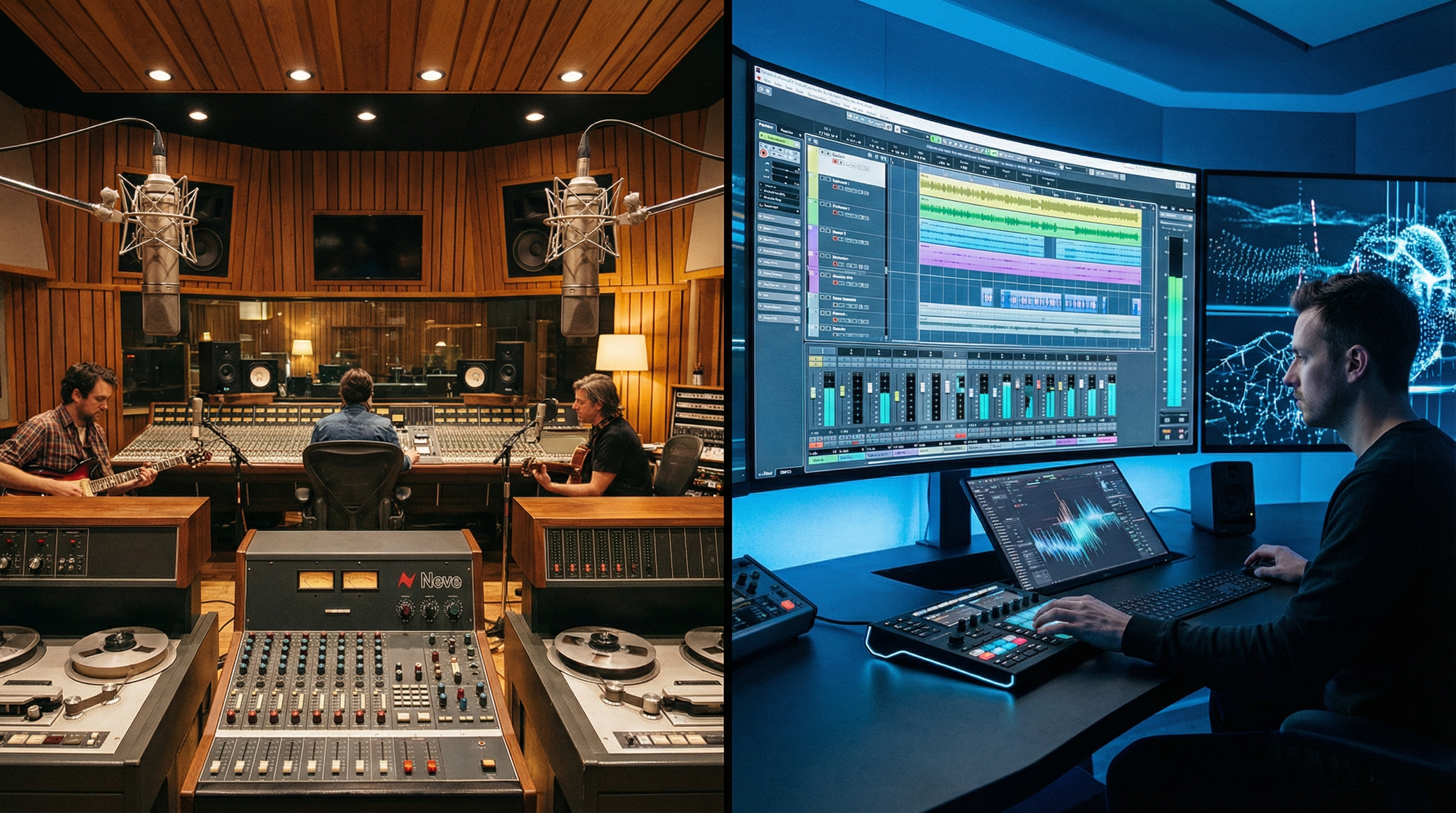
AI Music vs Traditional Production: When to Use Which
AI music isn't replacing producers—it's opening new workflows. Compare cost, speed, and creative control so you can choose the right tool for each project.
Read →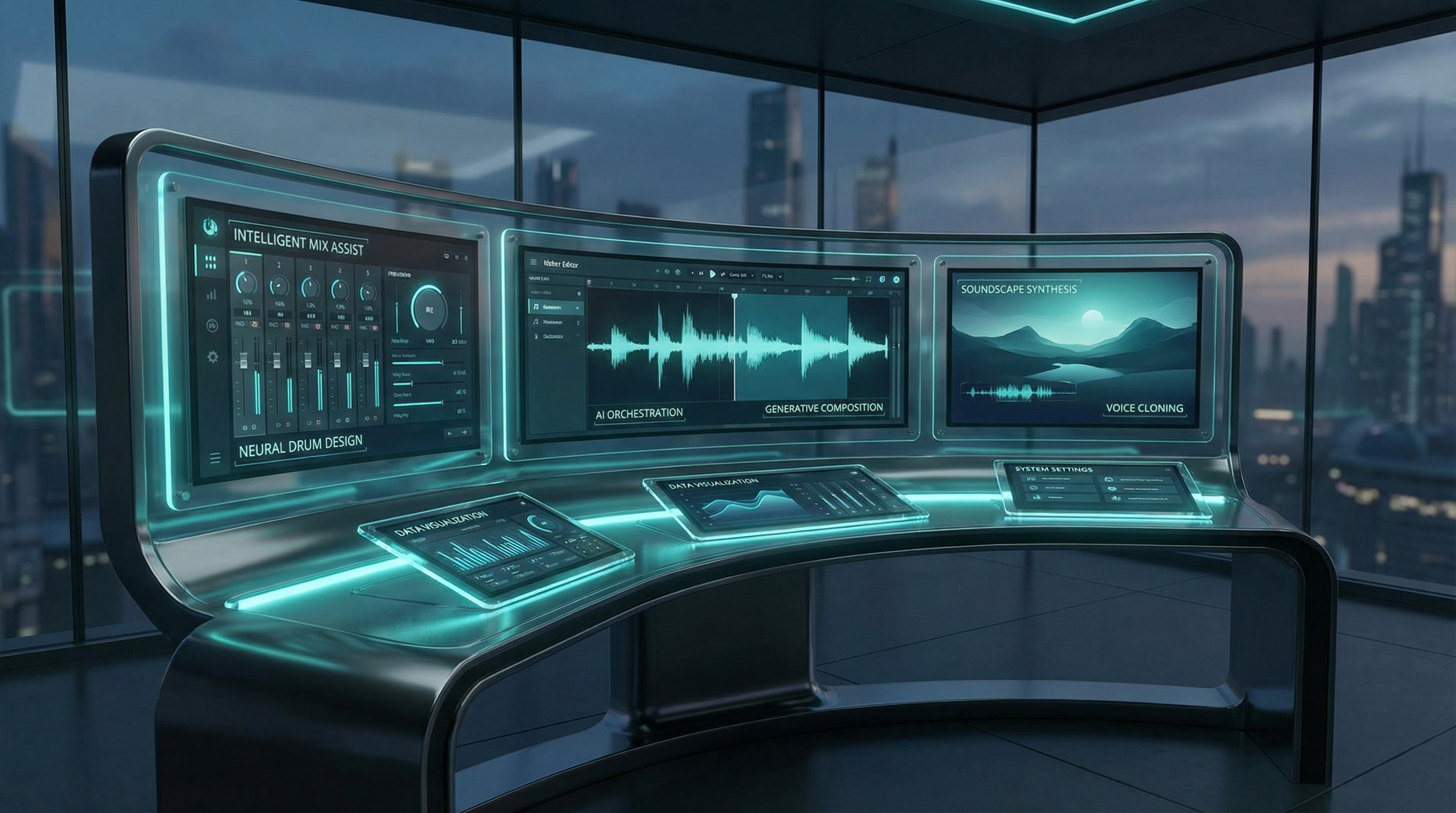 Fundamentals
3 min
Best AI Music Generators in 2026: Features and Comparison
A practical comparison of leading AI music tools: quality, control, pricing, and workflows. Find the right platform for your music creation style.
Read → Fundamentals
3 min
AI Music Trends 2026: What's Next for Creators
The biggest trends in AI music this year: better vocals, longer tracks, hybrid workflows, and how creators are using AI to stand out.
Read →