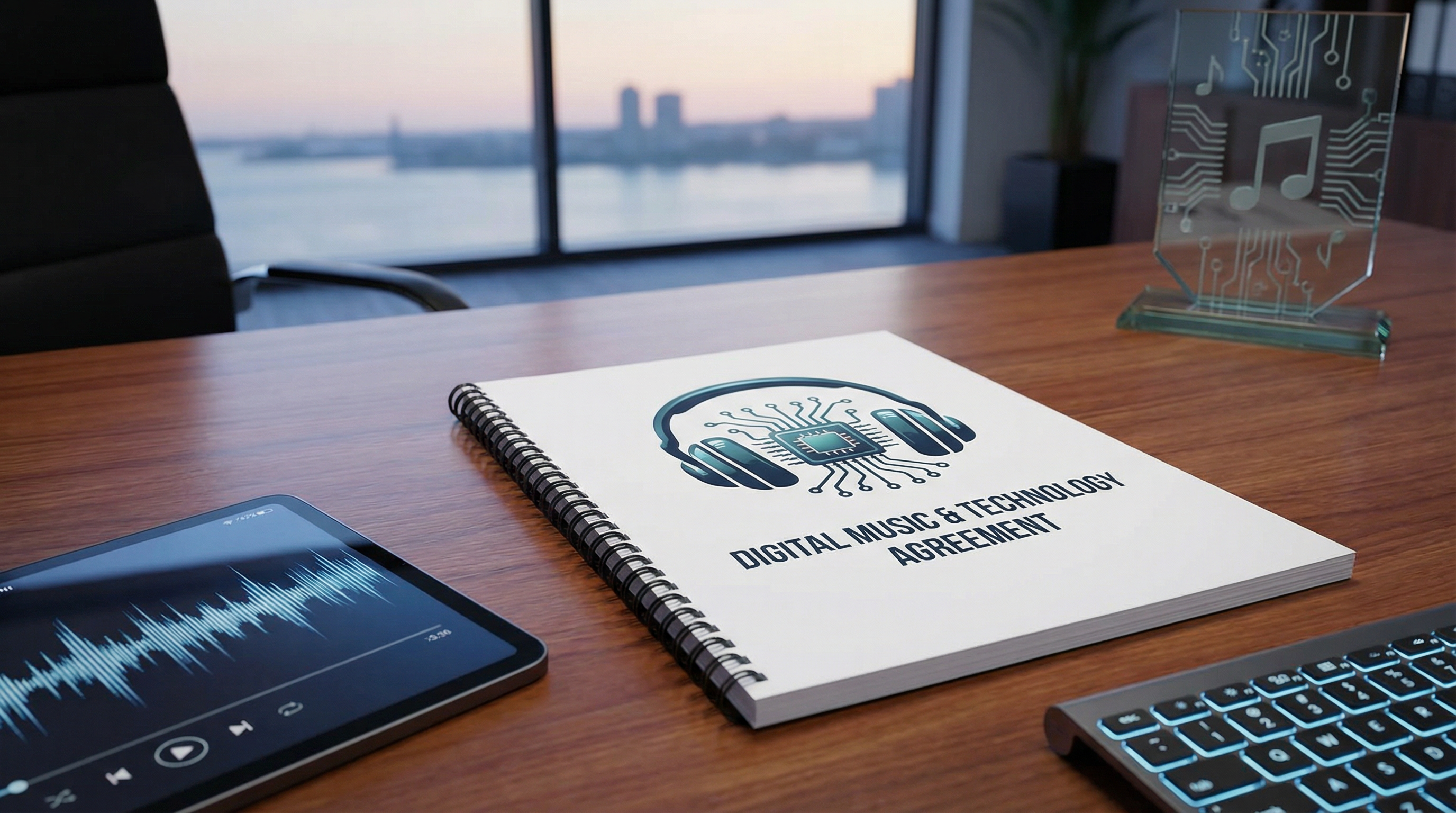
Copyright talk around AI music is messy in 2026 — laws lag, platforms update terms quarterly, and Twitter lawyers aren't your counsel. Here's a practical map for indie creators shipping real work.
What you clearly own Your lyrics, your titles, your selection of which take to release, your arrangement of prompts and edits — these are yours in the ordinary creator sense. Keep drafts, dates, and project notes like you would for any production.
What the platform licenses you When AAiMusic (or any generator) returns audio, your rights come from their terms of service — not from vibes. Look for: commercial use allowed?, streaming allowed?, sync allowed?, attribution required?, exclusivity?. Pro/Premier plans on reputable platforms spell this out; free tiers sometimes don't — read before monetizing.
Training data — the industry fight Models learn from large datasets; lawsuits and settlements are still moving. You can't personally verify every training hour, but you can avoid tools that market "uncensored ripoffs" and choose providers with published policies. That doesn't immunize you globally, but it's baseline hygiene.
What not to do - Paste entire copyrighted lyric sheets you didn't license. - Prompt for recognizable imitation of living artists' timbre or hits. - Assume "AI made it" means "no one can claim anything" on YouTube Content ID. - Upload AI covers of famous masters to DSPs without understanding mechanical rights.
Disclosure Some distributors ask whether tracks are AI-assisted; answer honestly. Some clients require disclosure in contracts; honor that. Disclosure rarely kills deals; surprises kill trust.
Documentation habit Save: prompt tags, generation date, which take you released, plan tier at time of export. Boring folder discipline saves panic when a brand or festival asks "prove you had rights."
AAiMusic-specific framing You typically start from your words and your brief; you're not importing uncleared commercial masters as conditioning files in normal workflows. Commercial terms depend on your subscription — verify current pricing page and terms before TV, ads, or wide release.
When to call a lawyer Broadcast packages, major brand exclusivity, theatrical, samples of existing recordings, disputes. Guides educate; attorneys sign off.
One sentence takeaway Treat AI music like any production asset: know your license, own your lyrics, don't impersonate, keep receipts.
AAiMusic · Your imagination, your music
Keep reading
Related guides
 Fundamentals
3 min
What Is AI Music? A Complete Guide for Creators
AI music uses machine learning to generate songs from lyrics and style tags. Learn how it works, how it compares to traditional production, and how to get the best results.
Read →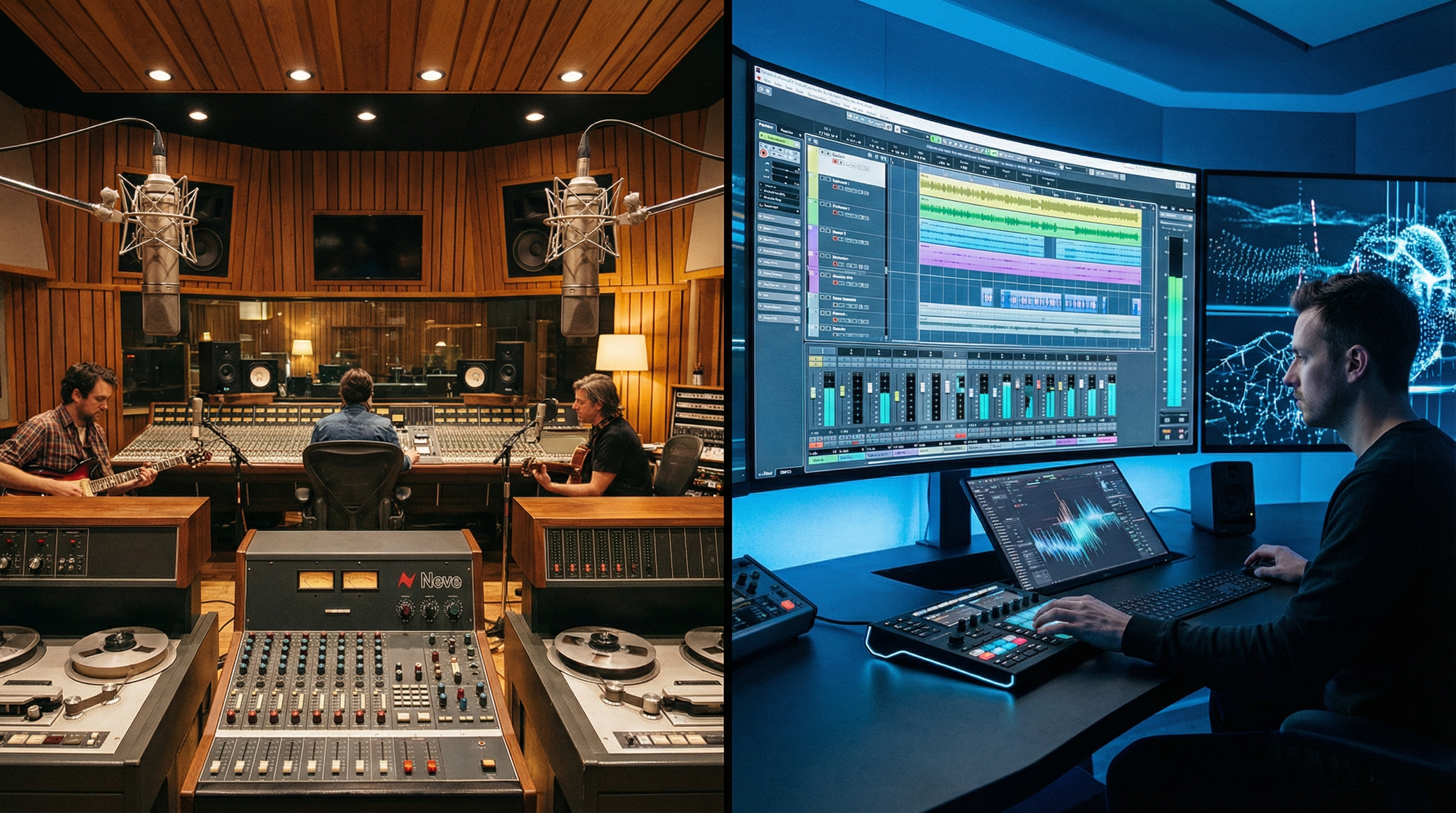 Fundamentals
3 min
AI Music vs Traditional Production: When to Use Which
AI music isn't replacing producers—it's opening new workflows. Compare cost, speed, and creative control so you can choose the right tool for each project.
Read → Fundamentals
3 min
Best AI Music Generators in 2026: Features and Comparison
A practical comparison of leading AI music tools: quality, control, pricing, and workflows. Find the right platform for your music creation style.
Read →