
AI music ethics aren't abstract philosophy — they're the questions your listeners, collaborators, and platforms will ask you anyway. Better to have a clear personal line before the release post, not after a comment section pile-on.
Originality: what's actually new? AI models remix statistical patterns from training data; your lyrics, brief, and curation are the novel layer. Most ethical tension isn't "is any note ever new" — music has always rhymed with history — it's transparency and intent. Are you passing off AI output as a secret human session? Are you mimicking a living artist's signature? Ethical creators distinguish inspiration from impersonation.
Attribution and honesty You don't need a disclaimer on every TikTok, but when context matters — sync pitches, brand deals, press — say AI assisted or generated where terms require it. Platforms increasingly ask; audiences increasingly appreciate honesty without performative guilt. "I wrote the lyrics, Aria helped refine, AAiMusic generated the production" is a complete, respectable credit sentence.
Training data and fairness Models train on large corpora; consent and compensation debates are real and unresolved in law. As a user, you can't fix industry policy alone — you can choose providers with clear commercial terms and avoid tools that encourage shady use cases. Read terms. Archive prompts if your work goes commercial.
Impersonation and voice cloning Just because you *can* prompt "sound exactly like [famous artist]" doesn't mean you should — ethically or legally. AAiMusic is built for your songs, your personas, your voice memos — not counterfeit hits. Virtual singers are characters you define, not replacements for people who didn't opt in.
Replacement vs empowerment Ethical use expands access: creators who couldn't afford demos, languages underserved by major labels, disabled artists who need adaptive workflows. Unethical use tries to flood platforms with low-effort clones to game royalties. The difference is effort and respect, not the button you pressed.
Practical guidelines - Write or substantially edit lyrics you release under your name. - Don't upload uncleared third-party masters to steer generation. - Follow your AI provider's commercial license for ads, film, and streaming. - Credit collaborators — human and tool — when contracts or culture expect it. - When unsure on a high-stakes project, ask a lawyer; guides like this aren't legal advice.
Where AAiMusic stands We want you to make more music you're proud of, not more anonymous slop. Aria encourages creative partnership; Studio helps you finish; you stay responsible for what you ship.
Closing thought Ethics isn't anti-AI — it's pro-artist. The creators who last will be the ones audiences trust, not the ones who won one viral dodge.
AAiMusic · Your imagination, your music
Keep reading
Related guides
 Fundamentals
3 min
What Is AI Music? A Complete Guide for Creators
AI music uses machine learning to generate songs from lyrics and style tags. Learn how it works, how it compares to traditional production, and how to get the best results.
Read →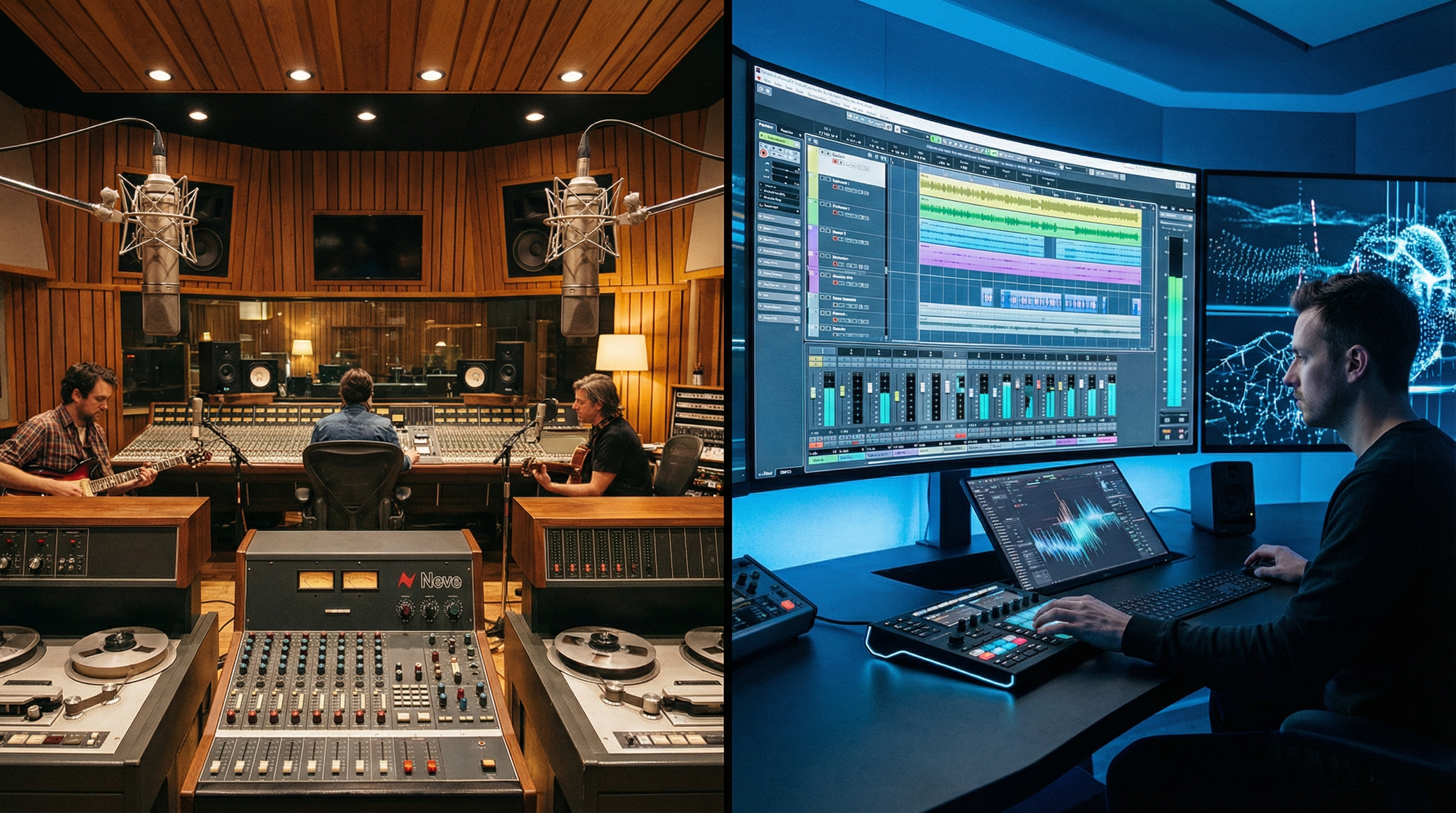 Fundamentals
3 min
AI Music vs Traditional Production: When to Use Which
AI music isn't replacing producers—it's opening new workflows. Compare cost, speed, and creative control so you can choose the right tool for each project.
Read → Fundamentals
3 min
Best AI Music Generators in 2026: Features and Comparison
A practical comparison of leading AI music tools: quality, control, pricing, and workflows. Find the right platform for your music creation style.
Read →